Learning Cardiopulmonary Resuscitation (CPR) is critically important for several reasons, as it equips individuals with life-saving skills. Here are key points highlighting the significance of CPR, using as many relevant keywords as possible:
Immediate Response
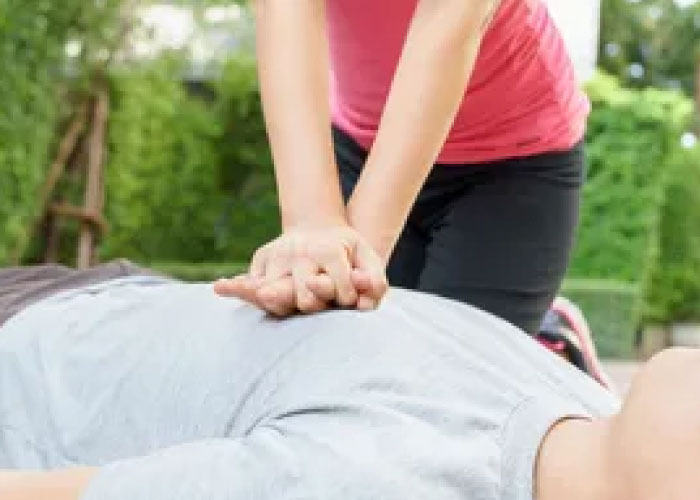
CPR provides an immediate response to cardiac arrest, which can occur suddenly and without warning. Immediate CPR can double or even triple a person’s chance of survival by maintaining vital blood flow to the brain and heart until professional medical help arrives.
Lifesaving Skills
CPR is a lifesaving skill that anyone can learn. Being trained in CPR means you can act swiftly in emergencies, potentially saving the lives of loved ones, colleagues, or strangers.
Heart Attack vs. Cardiac Arrest
Understanding the difference between a heart attack and cardiac arrest is crucial. A heart attack occurs when blood flow to the heart is blocked, while cardiac arrest happens when the heart stops beating entirely. CPR is essential in cases of cardiac arrest to keep oxygenated blood circulating.
Bystander Intervention
Bystander intervention is a critical factor in survival rates. When bystanders are trained and confident in performing CPR, they are more likely to step in during an emergency, significantly increasing the victim’s chances of survival.
AEDs
Automated External Defibrillators (AEDs) are often used in conjunction with CPR. Learning CPR often includes training on how to use an AED, a device that can restore a regular heart rhythm by delivering an electric shock.
Brain Damage Prevention
Performing CPR helps prevent brain damage. Without oxygen, brain cells begin to die within minutes. CPR keeps oxygenated blood flowing, reducing the risk of irreversible brain damage.
Community Readiness
Having a community where more people are trained in CPR enhances overall community readiness for emergencies. The more people who know CPR, the higher the chances of immediate assistance during cardiac emergencies.
Chain of Survival
CPR is a vital link in the “Chain of Survival,” which includes early recognition of cardiac arrest, calling emergency services, early CPR, rapid defibrillation, and advanced medical care. Each link is crucial for increasing the chances of survival and recovery.
Confidence and Empowerment
Learning CPR empowers individuals, giving them the confidence to act in emergency situations. This confidence can make a significant difference in the critical moments following cardiac arrest.
Training Accessibility
CPR training is widely accessible and available through various organizations, such as the Red Cross, a2btraining.org , American Heart Association, and local health departments. Many of these courses are affordable, and some are even offered for free.
Legal Protection
Good Samaritan laws protect individuals who perform CPR in good faith from legal liability. This legal protection encourages more people to take action without fear of legal repercussions.
Paediatric CPR
Learning paediatric CPR is particularly important for parents, caregivers, and teachers. Children and infants require different techniques, and knowing how to perform CPR on younger individuals can be life-saving.
Public Health Impact
On a larger scale, widespread CPR training has a significant public health impact. Increasing the number of people who can perform CPR helps reduce mortality rates associated with cardiac emergencies.
Time Sensitivity
CPR is time-sensitive. The first few minutes after cardiac arrest are crucial. Immediate CPR can buy valuable time, ensuring that the victim has a better chance of survival and recovery when medical professionals arrive.
Continuous Education
CPR certification requires periodic renewal, ensuring that individuals stay up-to-date with the latest techniques and guidelines. Continuous education is essential for maintaining the effectiveness of CPR skills.
In conclusion, learning CPR is of paramount importance due to its potential to save lives, provide immediate response, prevent brain damage, and empower individuals with confidence and crucial skills. The widespread accessibility of training, along with legal protections and the public health impact, underscores the need for as many people as possible to become proficient in CPR. By understanding and embracing the significance of CPR, individuals contribute to a safer and more prepared community.