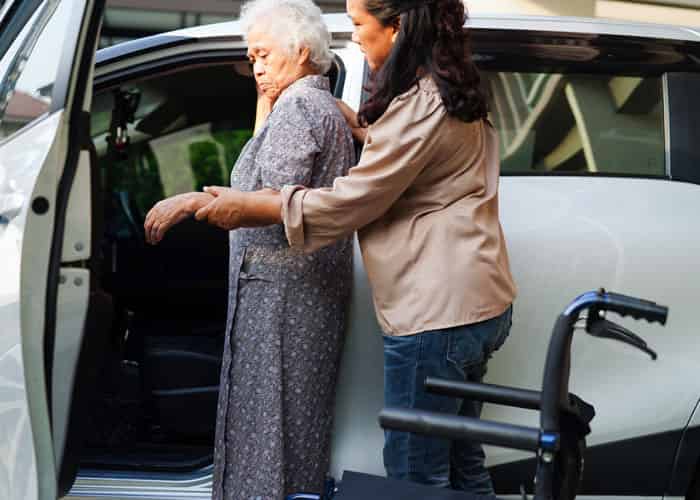
First aid is a vital skill that empowers individuals to provide immediate assistance in emergency situations before professional help arrives. The importance of first aid cannot be overstated, as it can make a significant difference in the outcome of an injury or illness. Here are some key reasons why first aid is crucial:
- Saves Lives
One of the most compelling reasons to learn first aid is its potential to save lives. In critical situations such as cardiac arrest, severe bleeding, or chocking, quick and effective first aid can be the difference between life and death. Knowing how to perform CPR (cardiopulmonary resuscitation) or how to apply pressure to a wound can stabilize the patient until professional medical help arrives.
- Reduce Recovery Time
Proper first aid can prevent a condition from worsening and speed up the recovery process. For example, cooling a burn immediately can reduce the severity of the injury, while immobilizing a fractured limb can prevent further damage. Prompt and appropriate first aid can minimize complications and lead to a quicker recovery.
- Prevents Medical Condition from Deterioration
First aid can help prevent an injury or illness from escalating into a more serious condition. For instance, treating a minor cut with proper cleaning and bandaging can prevent infection. Similarly, recognizing the signs of a stroke or heart attack and responding swiftly can limit the damage caused and improve the chance of a full recovery.
- Provides Confidence and Preparedness
Learning first aid equips individuals with the knowledge and skills to handle emergences with confidence. This preparedness can reduce panic and anxiety in stressful situations, leading to more effective and efficient responses. Being able to act camly and decisively can make a significant difference in the outcome of an emergency.
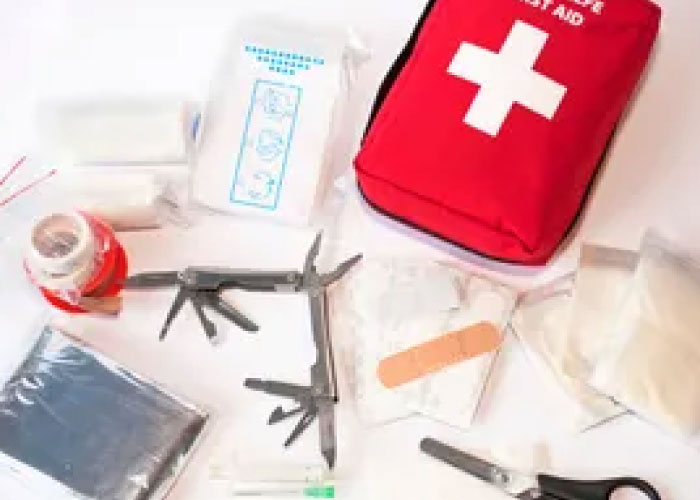
- Promote Safety and Prevents Accidents
First aid training often includes education on accident prevention and safety awareness. Understanding how to identify potential hazards and take preventable measures can reduce the likelihood of accidents occurring in the first place. This proactive approach to safety can create a safer environment at home, work and in the community.
- Fosters a Caring Community
A community where many individuals are trained in first aid is a safer and more caring place. People who know first aid are more likely to assist others in need, fostering a sense of solidarity and support. This collective readiness can enhance community resilience in times of crisis.