First Aid Kits: ProTrained Essentials and What to Leave Out
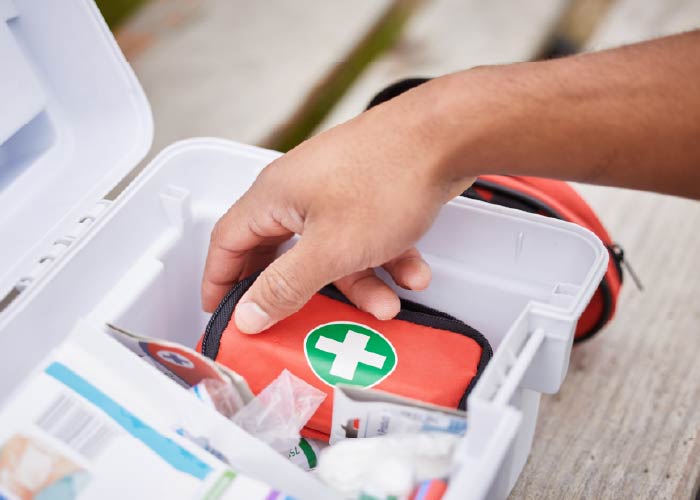
A properly stocked first aid kit is vital, whether at work, at home, or on the move. If you’re looking to build a first aid kit that’s both compliant and practical, here’s what ProTrainings recommends, plus key items you should not include.
What Should Be in a First Aid Kit (According to ProTrainings)
ProTrainings emphasises that a kit should be based on a thorough first aid needs assessment, tailored to your environment and potential risks. For everyday use, it’s wise to follow the BS 8599-1 standard for workplace kits or adapt it for home, vehicle, or industry-specific needs. Wikipedia.
Here are essential components found in BSI-compliant kits:
- First aid guidance leaflet – Clear instructions for emergency steps, CPR, and casualty positioning from protrainings.uk.
- Disposable gloves – Multiple pairs (typically six) to protect both aid-giver and casualty protrainings.uk.
- Triangular bandages – Versatile; for slings, padding wounds, or securing dressings protrainings.uk.
- Dressings & plasters – Sterile conventional dressings, eye pads, and assorted plasters protrainings.uk.
- Thermal (foil) blanket – Helps maintain body temperature, especially during shock protrainings.uk.
- Antiseptic wipes and burn-gel dressings – For wound cleansing and burn treatment when running water isn’t available protrainings.uk+1.
- Resuscitation face shield – A protective barrier for CPR protrainings.uk.
- Micropore tape & conforming bandages – To secure dressings and support injured limbs protrainings.uk.
- Shears – Safe tool for cutting clothing or dressings protrainings.uk.
- Finger dressings – For fingertip injuries, protrainings.uk.
Industry-Specific Additions (ProTrainings)
Depending on your setting, you might need extra items:
- Construction: Trauma dressings, tourniquets, critical injury packs, eyewash stations.
- Hospitality: Blue detectable plasters, burn kits, antiseptic wipes.
- Education: Paediatric kits, hypoallergenic plasters, cold packs.
- Farming: Tick removers, saline solution, large wound dressings. protrainings.uk
What Not to Include
ProTrainings and other experts, warn against overstuffing your kit with potentially harmful or redundant items:
- Unprescribed medications: Including tablets or prescription drugs is discouraged unless intended for a specific individual’s condition firstresponsefirstaid.co.uk.
- Expired or non-sterile items: Risk of infection or failure.
- Homemade remedies: Butter, vinegar or herbal treatments lack medical reliability.
Keep Your Kit Current
Ensure compliance and readiness by:
- Carrying out a first aid needs assessment regularly.
- Reviewing kit contents annually, or when your environment or personnel changes protrainings.ukHSE.
- Keeping kits accessible, correctly marked, and stored in cool, dry conditions.
Final Thoughts
A first aid kit is more than a legal obligation; it’s a lifeline. By following ProTrainings advice and adhering to BS 8599 (and HSE guidelines), you can build a kit that’s smart, safe, and spot-on for your needs. Avoid unnecessary items, stay organised, and always be prepared to respond confidently when it matters most.