Why Learning Paediatric First Aid is So Important for Work and Home
Learning paediatric first aid is an essential life skill that empowers individuals with the knowledge, confidence, and practical techniques needed to respond to emergencies involving children and infants. Whether you’re a parent, carer, nanny, childminder, teacher, or early years practitioner, paediatric first aid training is a critical investment in safeguarding children’s health, development, and wellbeing.
Safety in Childcare Environments
In settings such as nurseries, preschools, primary schools, playgroups, daycare centres, and after-school clubs, children’s safety must always be the top priority. Paediatric first aid training is a mandatory requirement under Ofsted regulations, the Early Years Foundation Stage (EYFS) framework, and childcare registration standards in the UK.
Trained staff can:
• Identify and respond to choking, seizures, head injuries, burns, anaphylaxis, and diabetic emergencies.
• Manage minor injuries like cuts, scrapes, splinters, and bruises.
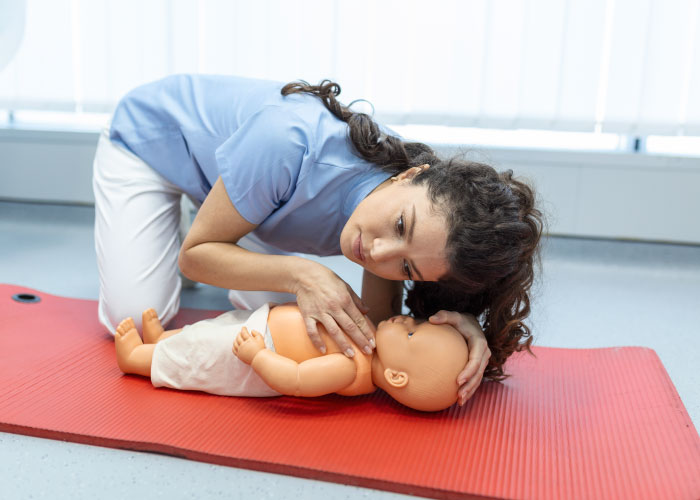
• Deliver CPR (Cardiopulmonary Resuscitation) for babies and young children.
• Use an AED (Automated External Defibrillator) safely and effectively.
• Provide initial care for broken bones, sprains, and eye injuries.
• Handle febrile convulsions, asthma attacks, allergic reactions, and poisoning.
• Recognise signs of shock, dehydration, hypothermia, or heatstroke.
• Follow the correct first aid protocols and legal procedures for incident reporting.
First Aid at Home: Protecting Loved Ones
At home, accidents are common, especially for babies and toddlers learning to crawl, walk, climb, and explore. First aid knowledge helps parents, guardians, and family members act calmly and quickly during emergencies.
Key home scenarios where paediatric first aid is essential include:
• Infant and child resuscitation techniques
• Treating nosebleeds, insect bites, or minor burns
• Responding to strangulation hazards from blind cords or small objects
• Addressing accidental ingestion of medicines or household chemicals
• Coping with drowning incidents near bathtubs, ponds, or pools
• Managing fevers, rashes, and infectious illnesses
• Understanding when to call 999 or visit A&E
Enhancing Confidence and Reducing Risk
Paediatric first aid improves situational awareness, reduces panic, and ensures faster emergency response times. It fosters safe working environments and gives parents peace of mind. It also helps organisations comply with health and safety regulations, meet insurance requirements, and uphold duty of care responsibilities.
Lifelong Skills and Career Benefits
Completing a certified paediatric first aid course (e.g., 6-hour Emergency or 12-hour Full Paediatric First Aid) provides a recognised qualification. It’s a valuable addition to any CV or professional development plan, especially in roles involving early childhood education, social care, or youth work.
Relevant job titles and sectors include:
• Teaching assistants
• Babysitters and au pairs
• Foster carers
• SEN support staff
• School nurses
• Youth workers
• Sports coaches
• Holiday camp supervisors
• Family support workers
Key Paediatric First Aid Topics (High-Value Keywords)
• Emergency action plan
• Primary and secondary survey
• Recovery position
• Child CPR and infant CPR
• Breathing and circulation
• First aid kit essentials
• Paediatric airway management
• Allergies and anaphylaxis (e.g., EpiPen use)
• Meningitis symptoms and signs
• Unconscious child procedure
• Risk assessment in childcare
• Health and safety in early years settings
• Infection control measures
• Safeguarding children
• Recognising child abuse or neglect
• Parental responsibility and legal requirements
• First responder actions
• Managing shock and blood loss
• Fractures and immobilisation
• Record keeping and accident reporting
• Training standards (e.g., Millie’s Mark, HSE guidelines)
Empowering Communities
Widespread paediatric first aid knowledge strengthens communities. It creates a culture of preparedness, care, and resilience, where more people are equipped to protect children during critical moments, potentially saving lives.
In conclusion, paediatric first aid training is not only a legal and professional necessity but also a powerful act of care, responsibility, and prevention. Whether you’re working in a nursery or simply caring for your own child at home, these skills are vital. They ensure you’re never helpless in the face of an emergency.