Working from heights is a common requirement in many industries, including construction, roofing, telecommunications, and maintenance. However, it also poses one of the greatest risks to workers. Falls from height are consistently among the top causes of workplace injuries and fatalities in the UK. This makes understanding the regulations, safety measures, and the importance of proper training not just beneficial but essential.
What is Working from Heights?
According to the Health and Safety Executive (HSE), working from height means any work where a person could fall a distance liable to cause personal injury. This includes working on ladders, scaffolding, roofs, or even near edges and openings. It also applies to situations where there is a risk of falling through fragile surfaces.
Why is Safety Training Crucial?
The most effective way to reduce accidents is through a Working from Heights training course. This certified training provides workers and employers with the knowledge and skills required to identify potential hazards, assess risks, and implement top safety practices. It also ensures compliance with the Work at Height Regulations 2005, which apply to all work where there is a risk of a fall liable to cause personal injury.
Key Benefits of Working from Heights Training
- Enhanced Safety Awareness
A structured training programme teaches workers how to recognise hazards and take preventative measures. This includes choosing the right access equipment, using personal protective equipment (PPE) correctly, and following safe working procedures. - Regulatory Compliance
One of the highest-ranking priorities for employers should be staying compliant with HSE regulations. Non-compliance can result in fines, legal action, or even closure of operations. A Working from Heights course ensures all team members are trained to legal standards. - Reduced Risk of Accidents
With proper knowledge and equipment, the likelihood of falls and serious injuries decreases dramatically. Employers can also see reduced downtime, fewer compensation claims, and improved team morale as a result. - Improved Job Prospects
For workers, holding a valid Working from Heights certificate makes them more attractive to employers. It shows a commitment to safety and a readiness to work in various environments. - Cost Savings
Investing in training might seem like an upfront cost, but it leads to long-term savings by reducing accidents, insurance premiums, and legal fees.
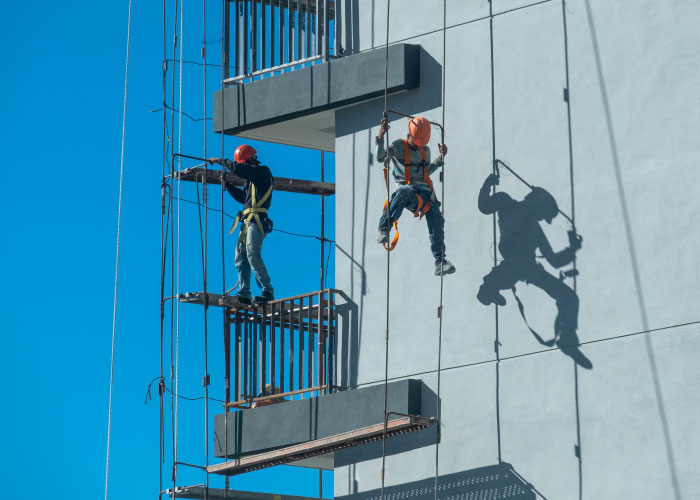
Top Safety Practices When Working at Height
- Conduct a thorough risk assessment before beginning any task
- Use fall protection systems such as harnesses and guardrails
- Inspect all equipment before use
- Ensure weather conditions are suitable for working safely
- Avoid working alone if possible
- Follow all site-specific safety procedures
Final Thoughts
Whether you’re an employer or a worker, investing in a Working from Heights course is one of the smartest and most responsible decisions you can make. It not only saves lives but also enhances your professional reputation and contributes to a safer working environment. Prioritising height safety training is key to reducing incidents and promoting a culture of awareness and responsibility in any high-risk industry.