Knowing how to use an Automated External Defibrillator (AED) can be the difference between life and death in a critical moment. Sudden cardiac arrest (SCA) is a leading cause of death worldwide, with the heart unexpectedly ceasing to beat effectively. Time is of the essence—every passing minute without intervention decreases a victim’s chance of survival by approximately 10%. This is where AEDs come into play, and being equipped to use one is nothing short of lifesaving.
An AED is a portable device designed to analyse the heart’s rhythm and deliver an electric shock if needed to restore a normal rhythm. It’s primarily used in cases of cardiac arrest when the heart’s electrical activity is erratic or has stopped altogether. AEDs are purposefully designed to be user-friendly, with clear audio and visual instructions, ensuring that even those without medical training can operate them effectively.
The importance of AED knowledge lies not just in the device itself but in its integration into a broader chain of survival. In emergency situations, immediate cardiopulmonary resuscitation (CPR) and defibrillation through an AED can dramatically improve survival rates. Studies have shown that using an AED within the first few minutes of cardiac arrest can boost survival rates to over 50%. However, this potential can only be unlocked if bystanders know how to recognise the need for defibrillation and feel confident in using the device.
Training in AED use also breaks down psychological barriers. Many people hesitate in emergency situations out of fear of causing harm. Familiarity with an AED instills confidence, dispelling the myth that one might make the situation worse. In reality, an AED will not administer a shock unless it detects a shockable rhythm, meaning there is no risk of accidental harm. This reassurance can empower individuals to act swiftly and decisively.
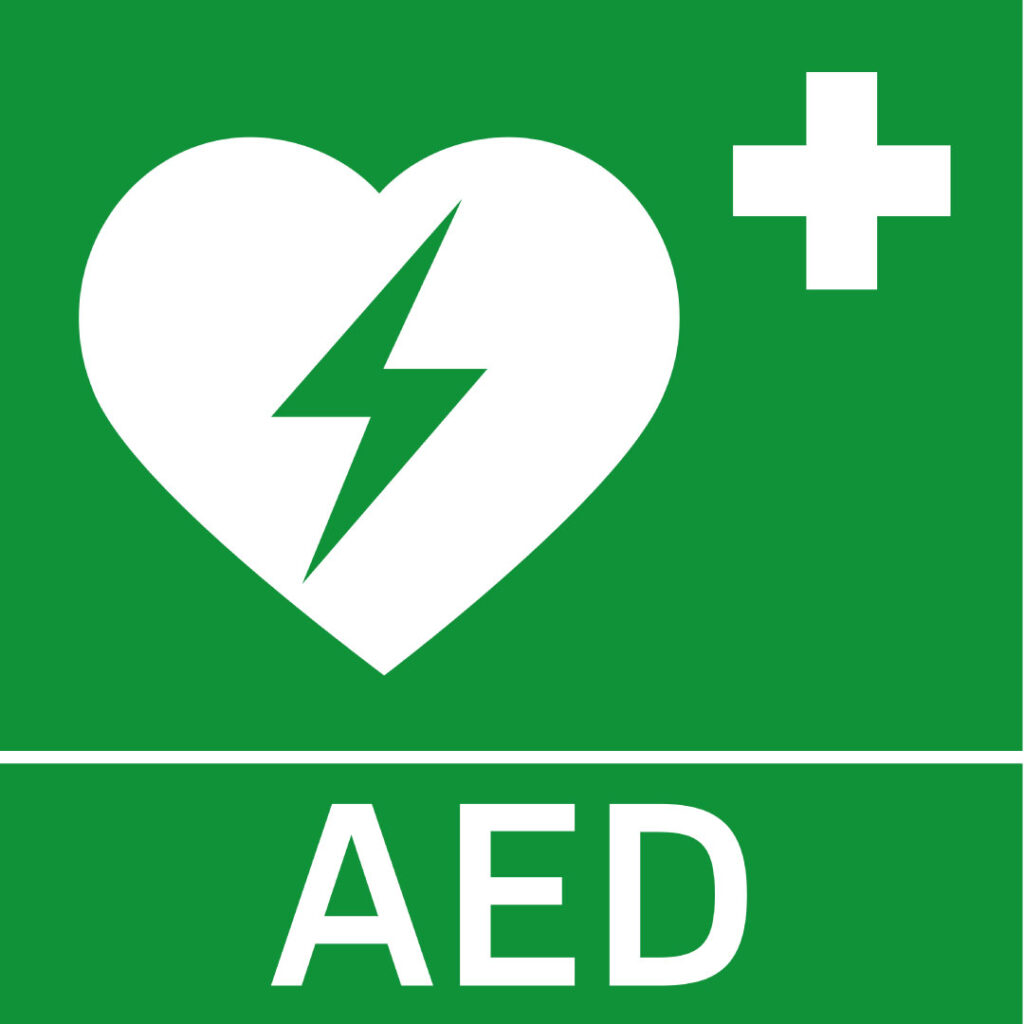
Another compelling reason to understand AEDs is their increasing accessibility. These devices are now found in airports, schools, shopping centres, gyms, and other public spaces. Their availability is a testament to their recognised importance, but without widespread knowledge of how to use them, their life-saving potential diminishes.
Beyond saving lives, the ripple effects of using an AED are profound. For the victim, it can mean returning to their family and pursuing a full life after a near-death experience. For the rescuer, it can be a profoundly empowering and meaningful moment, knowing they stepped forward in someone’s time of greatest need.
Ultimately, being able to use an AED is not just a skill—it’s a responsibility we all share in fostering safer communities. By learning how to use an AED, you become a vital link in the chain of survival, ready to act when every second counts. In the face of cardiac arrest, this knowledge turns ordinary individuals into extraordinary lifesavers. It’s not an overstatement to say that being AED-trained is one of the simplest yet most impactful ways to make a difference in the world.